

Why Protein Matters in Freediving

A practical guide to protein intake for base training and freediving performance
By Tara Kate Rawson
Editor Deena Lynch
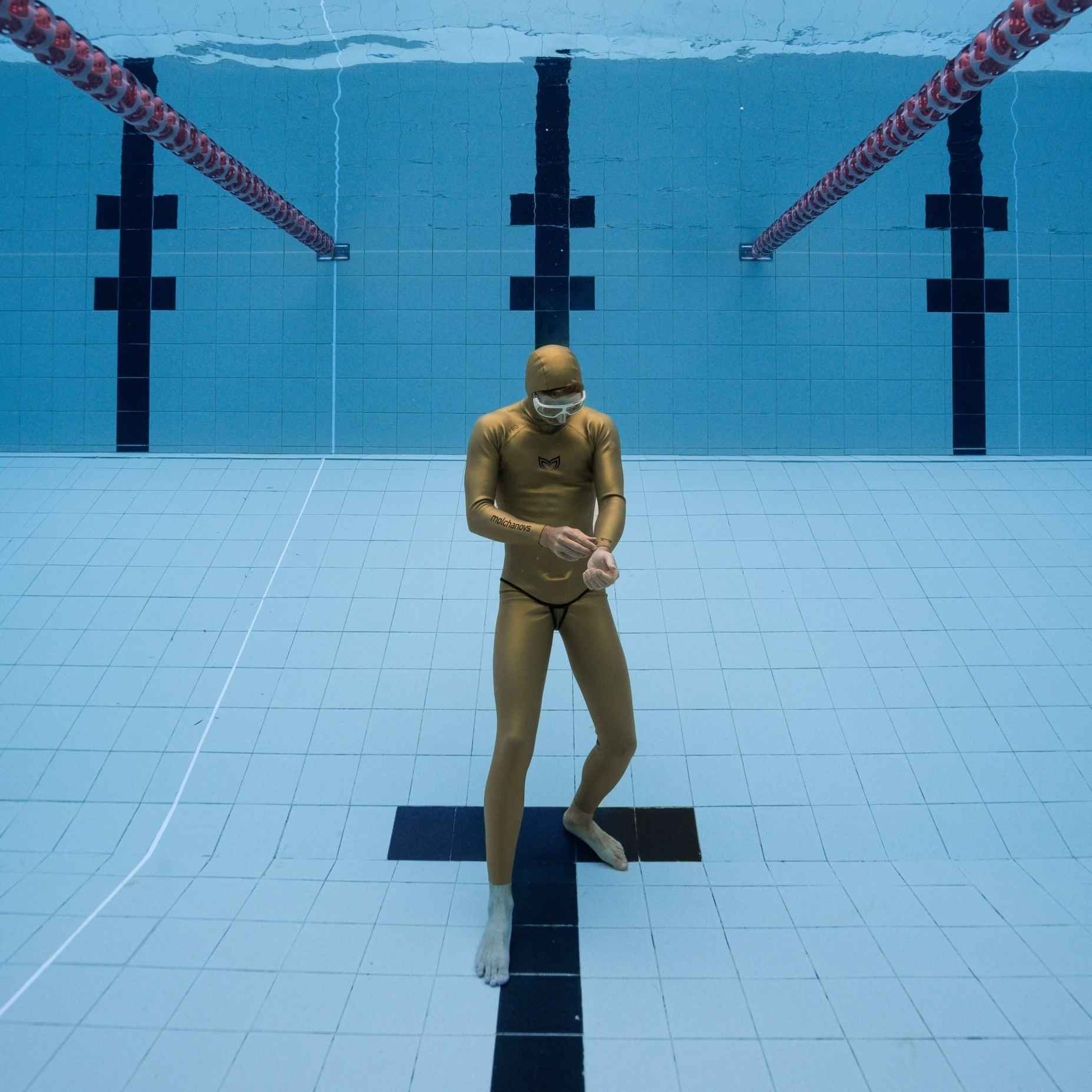
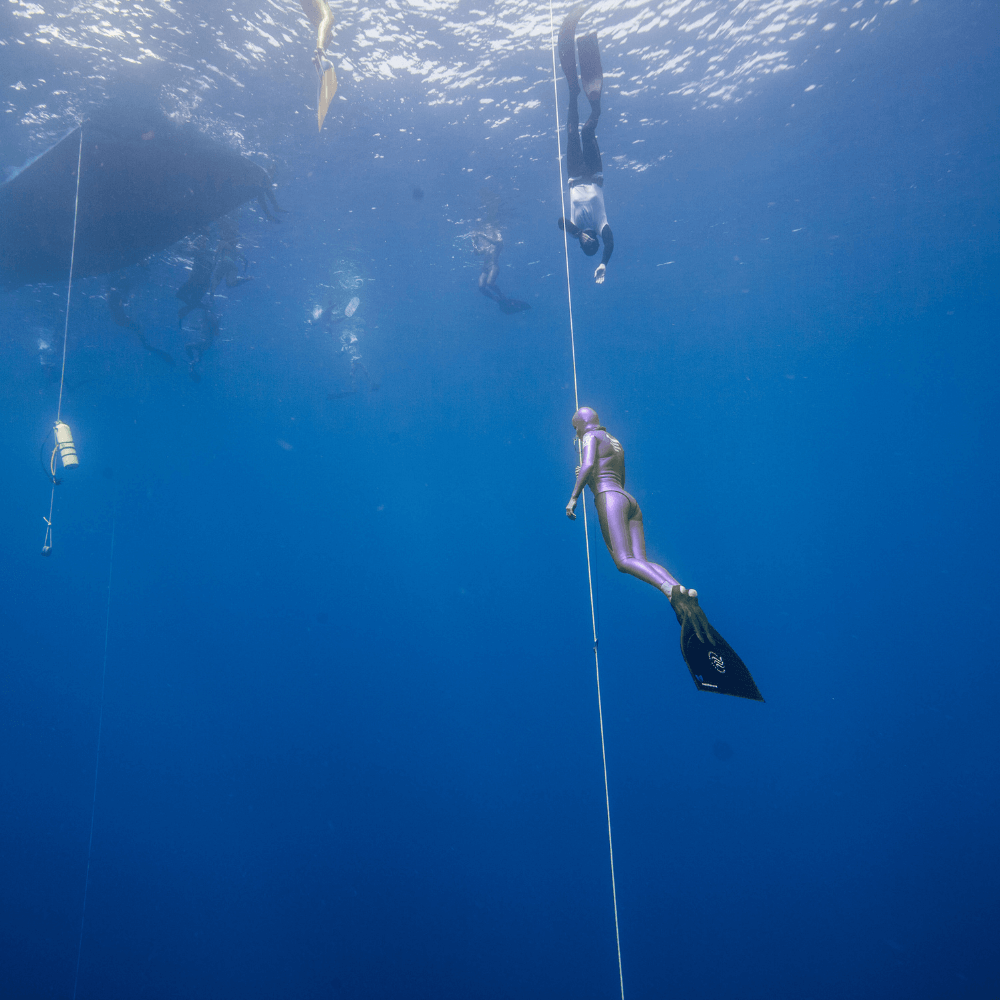
As a sports dietitian and freediving athlete, I’ve seen firsthand how good nutrition, especially protein, can transform base training. Especially in pre-season, when pool, gym, and dry training pile up, muscles are under repeated stress. Protein supports repair, adaptation, and recovery, so when freedivers transition into depth training, the body is stronger, more resilient, and better prepared.
Why Protein Matters for Freedivers
High-volume pool and gym training places repeated stress on the legs, core, back, and arms. Protein is essential for repairing and rebuilding these muscles so training adaptations can occur.
Protein also supports haemoglobin and myoglobin production, improving oxygen transport and storage¹, and helps the diaphragm, heart, and working muscles function efficiently during repeated breath-holds².
Without adequate intake, fatigue persists longer, soreness increases, and technique quality declines. Consistent, sufficient protein accelerates recovery, maintains energy availability, and allows strength gains to accumulate across sessions — creating a stronger foundation for depth training later in the season³.
How Much Protein You Need
Most athletes perform best with 1.6–2.2 g of protein per kilogram of body weight per day. For a 60 kg freediver, this equals approximately 96–132 g per day.
Spreading intake across three to four meals improves muscle repair and supports oxygen-related protein synthesis⁴.
Per-meal target:
Aim for around 0.3 g/kg per meal to maximally stimulate recovery.
For a 60 kg diver, this is around 18 g of protein per meal.

When to Eat Protein
Before Training
For early-morning pool/gym sessions, prioritise carbohydrates. Fruit or a small smoothie works well. Protein before training provides little added benefit and may feel heavy or uncomfortable⁶.
After Training
Recovery begins post-session immediately. Aim for ~0.3 g/kg protein with carbohydrates soon after training.
Examples:
- Eggs on toast
- Greek yoghurt with oats and chia seeds
A slightly larger protein portion at dinner can further support overnight muscle repair.
Total daily protein intake remains more important than precise timing⁷.
Best Protein Sources
Animal-Based
- Eggs, fish, chicken, beef, yoghurt, milk
- Complete amino acid profile
- Naturally rich in leucine, a key trigger for muscle protein synthesis
Plant-Based
- Beans, lentils, tofu, tempeh, quinoa, edamame, nuts, seeds
- Combine sources across the day
- Larger portions may be required to meet leucine thresholds
Protein Powders
- Convenient but not essential if whole-food intake is adequate
- Whey: fast-digesting, useful post-training
- Casein: slower-digesting, optional before sleep

One Day of Protein Intake for a 60kg Freediver in Base Training

Breakfast (~25–30 g protein)
Option 1
- Greek yoghurt 200 g
- ½ cup oats
- Small handful nuts
Total: ~28–30 g
Option 2
- 3 eggs
-
Rice noodles + vegetables or 2 x wholegrain toast
Total: ~22–26 g

Lunch (~40–45 g protein)
Option 1
- Grilled chicken 150 g cooked
- Rice + vegetables
Total: ~43–48 g
Option 2 (plant-based)
- Firm tofu 200 g
- 1 cup chickpeas
-
½ cup quinoa cooked
Total: ~42 g
Snack (~18–22 g protein)
Option 1
- Tuna tin 95 g
- Wholegrain crackers x 4-5
Total: ~22–24 g
Option 2
- Protein yoghurt 170 g
Total: ~15–20 g

Dinner (~40–45 g protein)
Option 1
- Fish 180–200 g cooked
- Potato or rice + vegetables
Total: ~38–45 g
Option 2 (plants-based)
- ¾ cup cooked lentils
- ¾ cup edamame
- 2 eggs
Total: ~38 g
Daily Total: ~110–130 g protein
Distribute intake across 3–4 meals to consistently reach ≥0.3 g/kg per eating occasion and support muscle repair, oxygen-related protein synthesis, and training adaptation.
Cautions & Considerations
- Low energy intake limits muscle repair even if protein is sufficient.
- Large protein portions before early sessions may cause discomfort.
- Whole foods provide micronutrients; powders are convenient if appetite is low.
- High-protein diets are safe for healthy individuals; consult a doctor if kidney disease is present.
Summary
Protein is essential for muscle repair, strength, and oxygen-carrying capacity. Aim for 1.6–2.2 g/kg/day, spread evenly across meals (~0.3 g/kg/meal), with extra post-training. Proper protein intake supports recovery, consistent training, and a strong transition into depth training.
About the Author
Tara Kate Rawson is an Accredited Sports Dietitian and freediving athlete who combines evidence-based nutrition science with real-world freediving experience to help athletes optimise underwater performance
Disclaimer: This article discusses general nutrition tips for freediving and is not a replacement for personalised medical or dietary advice. Every individual’s health and physical condition is unique—please consult a medical professional before implementing any nutritional changes related to freediving performance or safety.
References:
- Phillips SM, Van Loon LJC. Dietary protein for athletes: From requirements to optimum adaptation. J Sports Sci. 2011;29(Suppl 1):S29–S38.
- Moore DR, Camera DM, Areta JL, Hawley JA. Beyond muscle hypertrophy: Why dietary protein is important for endurance athletes. Appl Physiol Nutr Metab. 2014;39(9):987–997.
- Morton RW, Murphy KT, McKellar SR, Schoenfeld BJ, Henselmans M, Helms E, et al. A systematic review, meta-analysis and meta-regression of protein supplementation on resistance training–induced gains. Br J Sports Med. 2018;52(6):376–384.
- Areta JL, Burke LM, Ross ML, Camera DM, West DW, Broad EM, et al. Timing and distribution of protein ingestion during prolonged recovery alters myofibrillar protein synthesis. J Physiol. 2013;591(9):2319–2331.
- Moore DR, Robinson MJ, Fry JL, Tang JE, Glover EI, Wilkinson SB, et al. Protein dose response of muscle protein synthesis after resistance exercise. J Appl Physiol. 2009;106(2):431–439.
- Tipton KD, Wolfe RR. Exercise-induced changes in protein metabolism. Acta Physiol Scand. 2001;162(3):377–387.
- Phillips SM. A brief review of critical processes in exercise-induced muscular hypertrophy. Sports Med. 2014;44(Suppl 1):S71–S77.

Leave a comment